
día de la
canción criolla
día de la
canción criolla
Music, memory, and community come together in a celebration that connects generations in Peru and abroad.
Lima and New York • Filmed in 2025 and 2026
día de la
canción criolla
Music, memory, and community come together in a celebration that connects generations in Peru and abroad.
Lima and New York • Filmed in 2025 and 2026

día de la
canción criolla
Music, memory, and community come together in a celebration that connects generations in Peru and abroad.
Lima and New York • Filmed in 2025 and 2026
" height="48px" id="nothm1FLo" width="64px"/><path d="M 0 0 L 18 12 L 0 24 Z" fill="rgb(23, 0, 99)" height="24px" id="O0UsGaCqi" transform="translate(26 12)" width="18px"/></g></svg>)

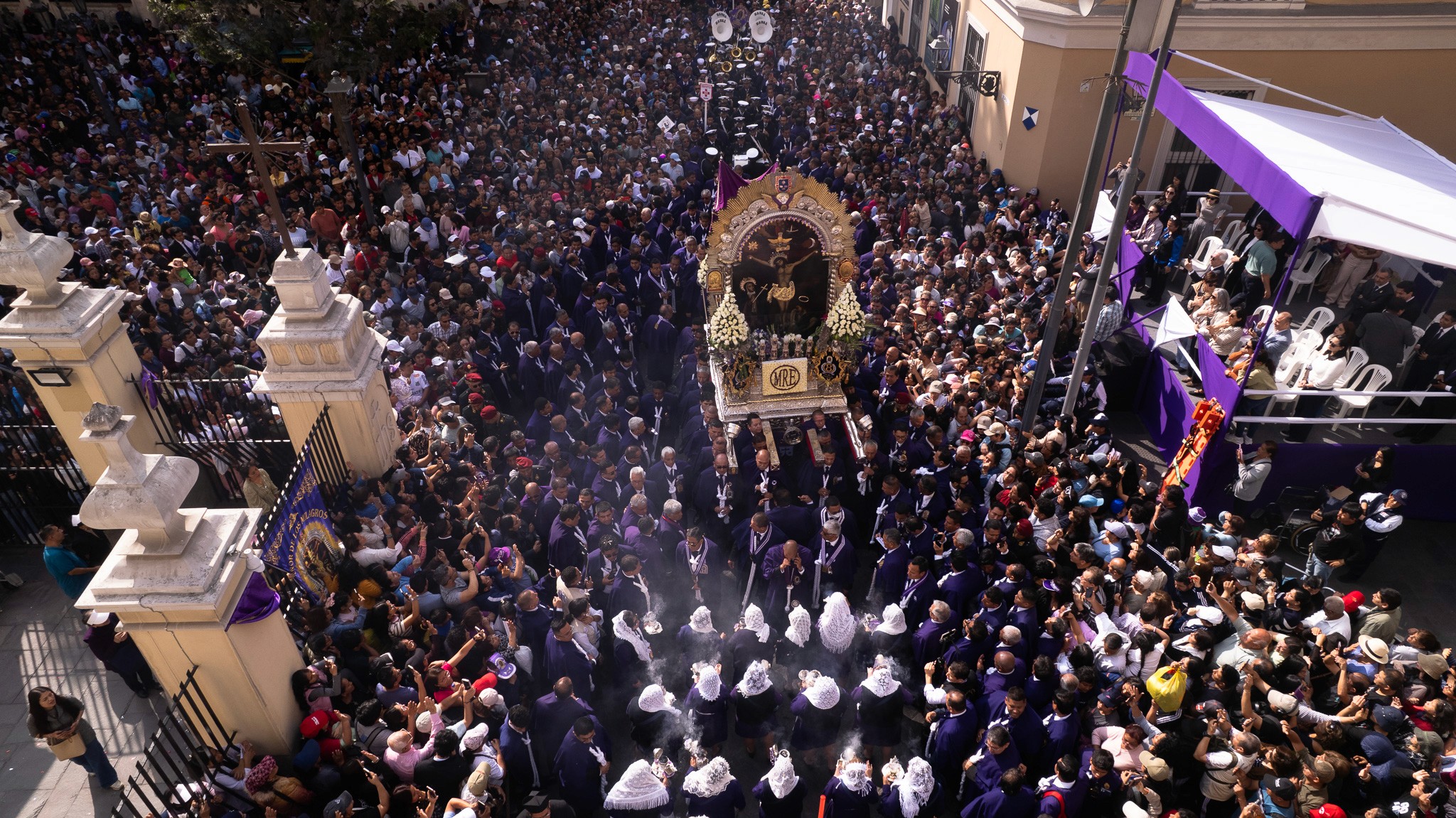
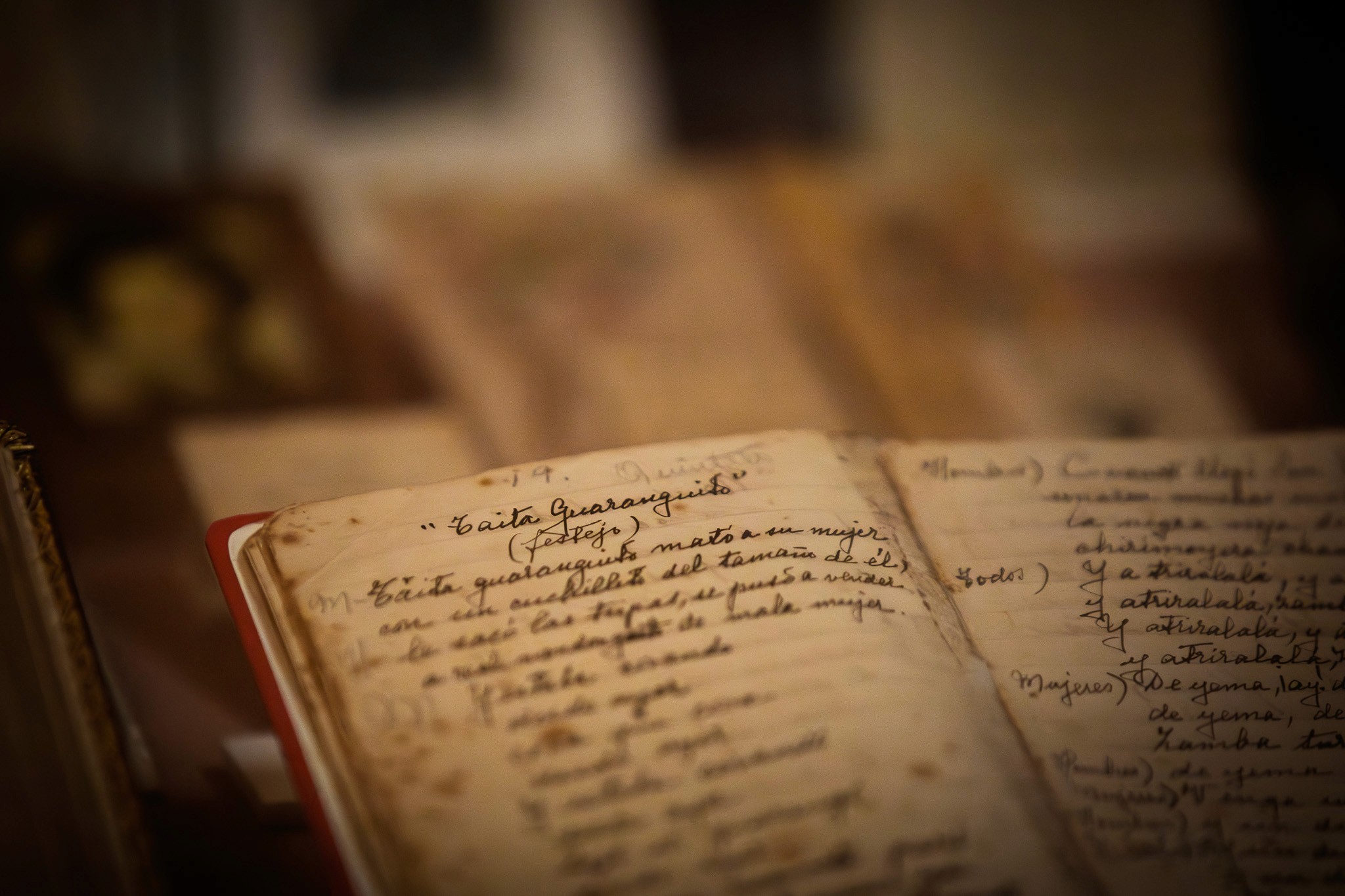
Every October 31, Día de la Canción Criolla brings together voices, guitars, cajones, and memories that form part of Peru’s cultural identity. In peñas, clubs, and homes, different generations sing, dance, and share a tradition that remains alive even as it continues to evolve.
Every October 31, Día de la Canción Criolla brings together voices, guitars, cajones, and memories that form part of Peru’s cultural identity. In peñas, clubs, and homes, different generations sing, dance, and share a tradition that remains alive even as it continues to evolve.
Every October 31, Día de la Canción Criolla brings together voices, guitars, cajones, and memories that form part of Peru’s cultural identity. In peñas, clubs, and homes, different generations sing, dance, and share a tradition that remains alive even as it continues to evolve.
Every October 31, Día de la Canción Criolla brings together voices, guitars, cajones, and memories that form part of Peru’s cultural identity. In peñas, clubs, and homes, different generations sing, dance, and share a tradition that remains alive even as it continues to evolve.
This episode moves between Lima and New York to explore how música criolla is preserved, shared, and continues to evolve. At the Centro Social Cultural Musical Breña, its president, Luis Llanos, opens the doors of an institution founded in 1974, where music continues to build community. At Peña Las López, Adela and Isabel López recall the family origins of a space that has kept the jarana alive for more than fifty years.
Along the way, the episode meets those who perform and renew this tradition. Singer and actress Rosario “Charo” Goyeneche shares memories of the jaranas of her childhood and reflects on the Afro-Peruvian contribution to música criolla. Percussionist Caloe Macedo speaks about his connection to Peru and the interest of younger generations, while a rehearsal with Llego en Una shows the tradition coming to life through voices, guitars, and cajón.
In New York, Peruvian American artist Araceli Poma, a two-time Latin Grammy nominee, opens her home for La Peña NYC, a gathering born from nostalgia and a desire to share the music she grew up with. Across clubs, peñas, rehearsals, and homes, the episode reveals a tradition that continues to bring generations and communities together in Peru and abroad.


Support Perú de Fiesta
Support Perú de Fiesta
Perú de Fiesta is an independent documentary project dedicated to documenting and preserving Peru’s living traditions.
Producing each episode involves travel, research, collaboration with local communities, and long-term storytelling work.
If this project resonates with you, you can support the series and help make future episodes possible.


hola@perudefiestafilm.com
A documentary project in progress. Shot in Peru, shared with the world.
A documentary project in progress. Shot in Peru, shared with the world.
A documentary project in progress.
Shot in Peru, shared with the world.
© 2026 Perú de Fiesta – All rights reserved
© 2026 Perú de Fiesta – All rights reserved